Article: The Problem Was Never the Pot
The Problem Was Never the Pot
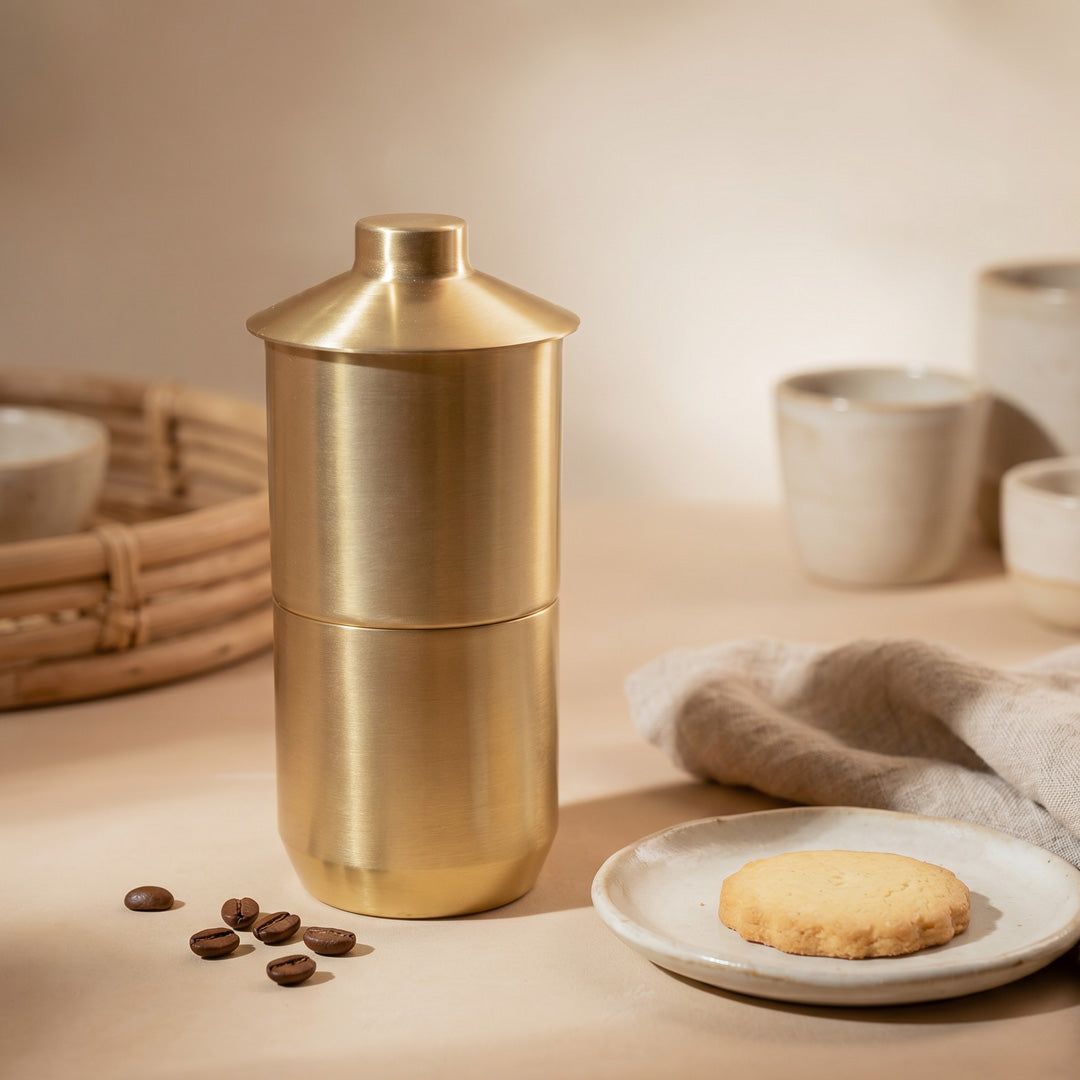
When I moved into my own place, my mother gifted me a small brass pot. "Use it," she said, "It's good for you." I nodded, put it on my shelf, and never touched it again.
Not because I didn't believe her. But because I genuinely did not know what to do with it. How to clean it, what to cook in it, whether it would ruin food, or whether I'd ruin the pot. So it sat there, looking beautiful.
People don't abandon these metals out of disrespect for tradition. They step back because they feel unsure, ill-prepared, and honestly, just tired.
Here's what's really going on.
We don't like things that feel complicated. Copper goes brown. Brass becomes patchy. Most of us weren't taught why that happens or how to handle it. We live in shared apartments with busy jobs, and 12-step dishwashing routines aren't happening. It's not laziness. It's life.
We're also overloaded with mixed advice. One friend says copper water is magical. A relative says it's unsafe because it leaches. Google shows both answers in the same search. Nobody wants their dinner to turn into a chemistry experiment.
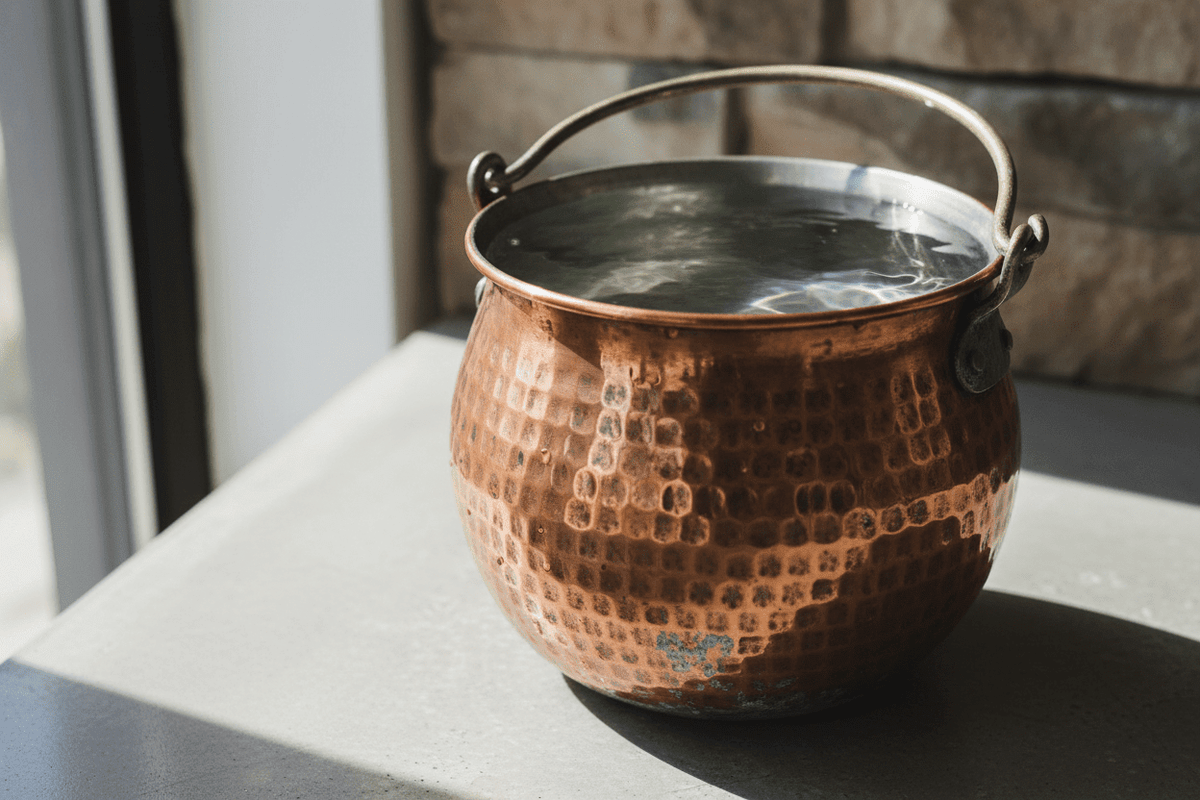
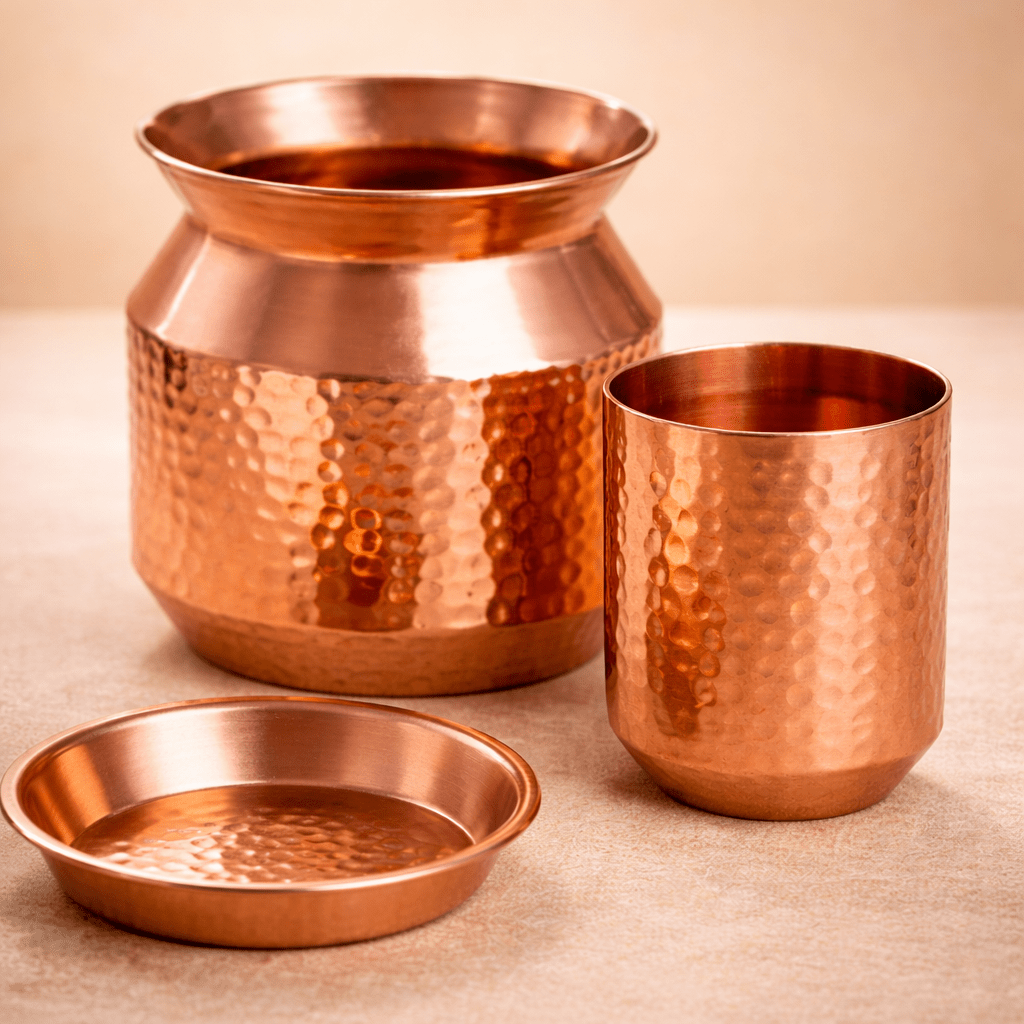
The simple reality is that copper is brilliant for storing water, brass works well for dry foods and certain cooked dishes, and both need a tin lining for anything acidic or salty. Most of us would happily use them if this was explained upfront — clearly, once, without conflicting footnotes.
Then there's the design problem. Tradition is beautiful, but tradition doesn't always fit into a 2026 kitchen. We're juggling induction cooktops, compact counters, cramped dish racks, and work-from-home lunches that need reheating in four minutes. A heavy, narrow-necked pot that needs elbow grease every week is going to lose against a steel bottle you can fling into the sink. That's not a failure of values. That's just Tuesday.
And underneath all of it, there's a trust question that hasn't been answered well enough. Is it pure metal or just colour-coated? Is the lining safe? How often does it need renewal? Confusion always kills usage, and for too long, these questions were met with vague reassurances instead of straight answers.
The hopeful part.
Copper and brass are not outdated. More people want natural materials now than at any point in recent memory — they just need them to work for how we live today, not how people lived 80 years ago.
What needs fixing is not the metal. It's the ecosystem around it: better clarity, practical guidance, updated shapes, easier upkeep, and genuine transparency about what's in your hands and why it matters.
Here's the reframe that changes everything.
Tradition with training wheels — until one day, you don't even need them.
Not a dramatic lifestyle overhaul. Not a return to some imagined purer past. Just a brass pot that comes with an honest note explaining what to put in it, what to avoid, and how to clean it without a YouTube rabbit hole. Just a copper bottle with a lid that actually seals. Just enough information, delivered at the right moment, to turn that shelf ornament into something you reach for without thinking.
The problem was never the pot.
Most of us already have that one forgotten piece at home — a bottle, a plate, a pot. We want to use it. We just need someone to meet us where we are, not where a textbook says we should be.
That's the realization House of Dhatu started with. People haven't fallen out of love with copper and brass. They've fallen out of practice. So instead of preaching return-to-tradition, the focus is on something far simpler — making tradition usable without asking you to change your life to accommodate it.
Design that thinks like you do: lids that seal properly, shapes that stack, pieces that don't feel like gym equipment. Clear, everyday guidance baked in from the start. Zero mystery in materials. And support that doesn't end at the shopping cart.
Copper and brass have survived hundreds of years because they worked — not because they were rare or ceremonial. Give them the right form and the right information, and they slip back into the rhythm of daily life almost without announcement.
That's the world worth building. Not nostalgia. Not trend-hunting. Just helping old materials feel at home in modern kitchens where, truthfully, they've always belonged.